







Discover Scotland’s northern wildlife in its natural home
The coastline around John o’ Groats is one of the most rewarding places in the UK for spotting wildlife in the wild. From cliffs alive with seabirds to quiet coves where seals raise their pups, the area offers an ever changing display of nature throughout the year. With wide open sea views and miles of coastal paths, this is a chance to see Scotland’s wild north at its most authentic.
Each Together Travel lodge and apartment includes a walking map, making it easy to lace up your boots and head out to explore. Whether you are a keen photographer or simply love being outdoors, there is always something to see.
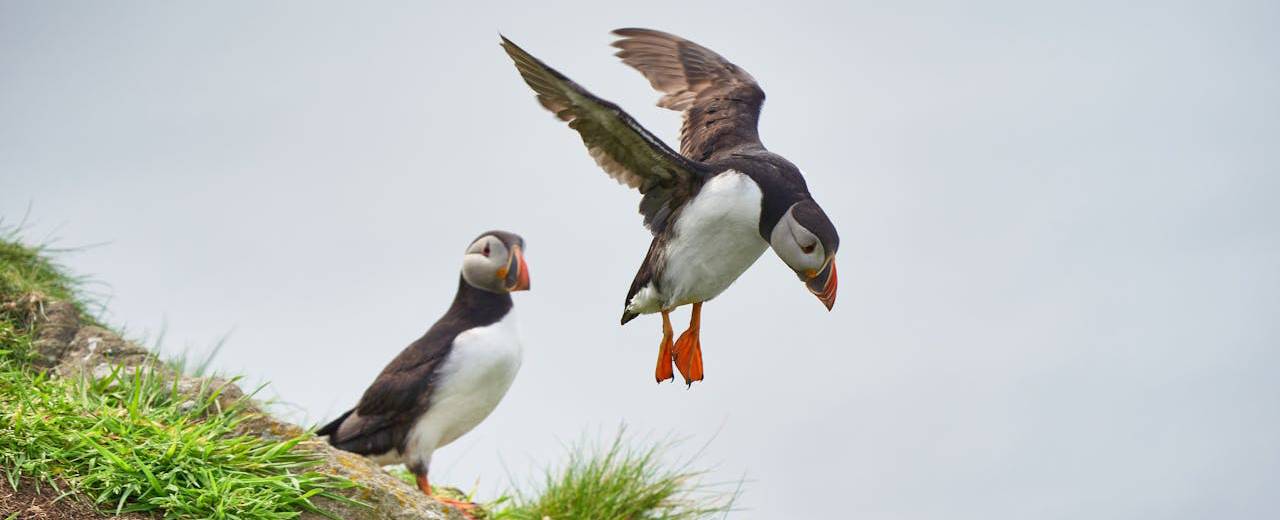
Birdlife around John o’ Groats
The cliffs and headlands around John o’ Groats are home to an impressive range of bird species, especially in spring and summer.
- Atlantic puffins breed here from May to July, often gathering in colourful groups along the cliff edges
- Guillemots, fulmars, kittiwakes and oystercatchers can be seen soaring over the coastline
- Dunnet Head, a short drive away, is home to the RSPB’s largest reserve in the UK and offers opportunities to spot razorbills, shags and cormorants
Early mornings and late afternoons offer the best light for birdwatching and photography.
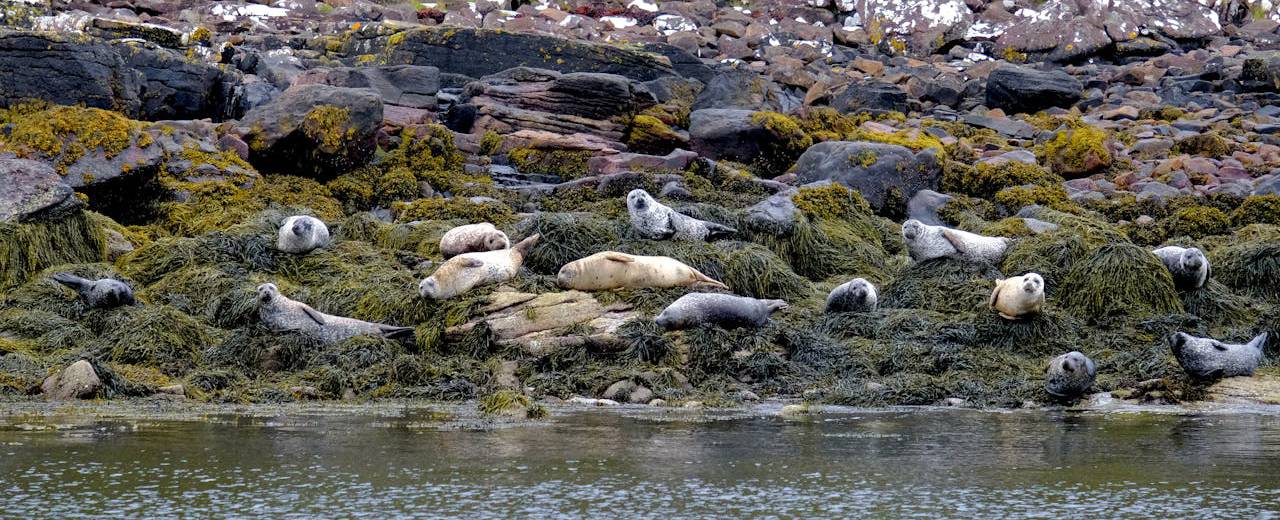
Marine life on the Caithness coast
The waters off John o’ Groats are rich with marine life, thanks to the meeting of the Atlantic and North Sea.
- Grey seals are commonly seen lounging on beaches or swimming close to the shore
- Orcas are sighted regularly as they travel through the Pentland Firth in family pods
- Sea otters can be glimpsed along the Caithness coastline and are best spotted from wildlife cruises and guided marine watches
- Dolphins and minke whales appear occasionally, offering dramatic displays for those watching from the cliffs or on organised boat trips
For the best chance of seeing orcas, dolphins and otters, visit from late spring to mid-summer when the seas tend to be calmer.
Where to Go Wildlife Watching
There are several easy to reach viewpoints around John o’ Groats where sightings are common.
- The clifftop paths between Duncansby Head and the Duncansby Stacks
- The quiet beaches along the coast heading west towards Gills Bay
- Harbour viewpoints where wildlife cruises depart during spring and summer
- The dramatic viewpoint at Dunnet Head, the northernmost point of mainland Britain
Tips for Spotting Wildlife
To enjoy the best sightings, a little preparation can make a big difference.
- Bring binoculars for clearer views of seabirds and distant seal colonies
- Wear layers as coastal weather changes quickly
- Choose morning or evening when wildlife activity is highest
- Follow marked paths and stay a safe distance from nesting sites and cliff edges
- Join a wildlife cruise for a chance to see seals, orcas and dolphins up close
Stay with Together Travel
After a day exploring Caithness wildlife, return to your Together Travel lodge in John o’ Groats, located only moments from the coastline and the main wildlife viewing points. The lodges overlook wide sea views and offer a peaceful setting for reviewing your photographs, warming up after long walks and planning tomorrow’s adventures.